Speakers
Description
Background/Rationale
Simcoe Muskoka District Health Unit’s (SMDHU) journey toward becoming a Best Practice Spotlight Organization (BPSO) emerged from responding to complex substance use and harm reduction program challenges within our region. Earlier work, including support for a Consumption and Treatment Services application, highlighted the importance of evidence based, compassionate approaches and pointed to opportunities to strengthen knowledge sharing across public health programs. The BPSO Mental Health and Substance Use program offers this structure, providing a strategic mechanism to strengthen agency quality improvement (QI) efforts to address the local toxic drug crisis.
Aim/Purpose
To examine how SMDHU is leveraging the BPSO model and complementary Knowledge-to-Action Framework (KTA), Social Movement Action Framework (SMA) and Health Promotion frameworks to build a sustainable quality improvement response to the local toxic drug crisis.
Methods/Implementation
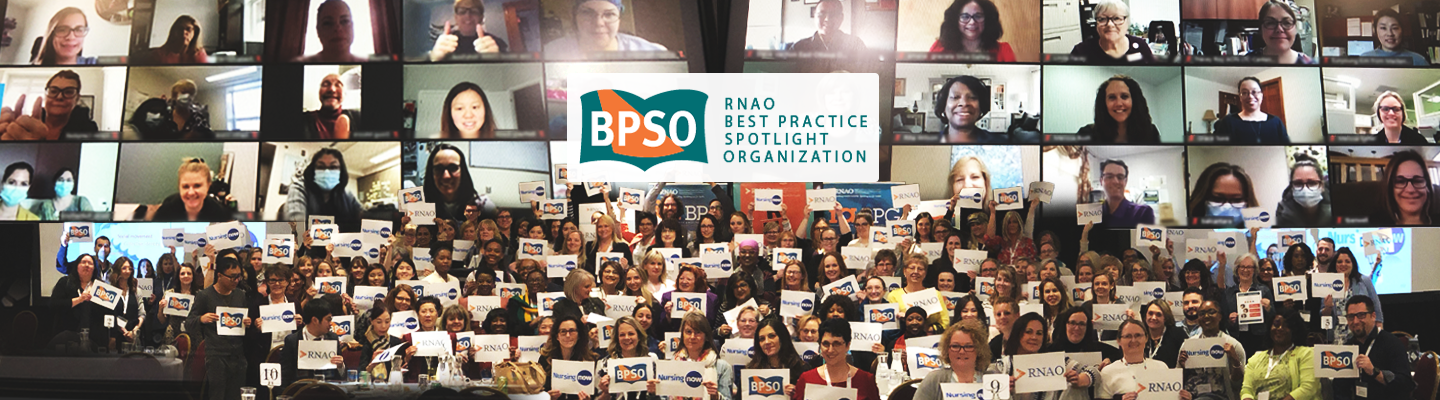
Implementation has been and will continue to be guided by a combined KTA–SMA approach. KTA provides a structured process for moving best practice guidelines into action. This process was operationalized through early organizational engagement, including meetings with leadership, and was supported by implementation mechanisms such as forming a cross departmental steering committee to provide governance. SMA activated momentum and reinforced collective identity, evidenced by the BPSO launch event where nurses convened to learn about BPSO, celebrate one another and affirm their shared sense of purpose. Health Promotion frameworks will continue to shape agency upstream and community driven approaches.
Results/Outcomes
Early outcomes include strengthened organizational readiness, increased cross departmental engagement, and the initiation of infrastructure building efforts to address gaps identified through the gap/opportunity analysis, alongside early indicator planning.
Lessons Learned & Implications for Practice
Integrating these frameworks aligns evidence, implementation science, community mobilization, and upstream action, providing a comprehensive, public health aligned strategy capable of advancing meaningful improvements in the toxic drug crisis and informing future areas of practice.
What RNAO BPG or tool/toolkit is your abstract related to?
RNAO Best Practice Guideline: Engaging Clients Who Use Substances
Tool: Knowledge-to-Action Framework, Social Movement Action Framework, Health Promotion frameworks
Author(s) Credentials and Title
Sarah Cairns, RN, MPH(Nurs.), BScN, Public Health Nurse, Substance Use Prevention and Harm Reduction
Cathy Eisener, RN, BScN, Public Health Nurse, Substance Use Prevention and Harm Reduction
| Organization Name | Simcoe Muskoka District Health Unit |
|---|